

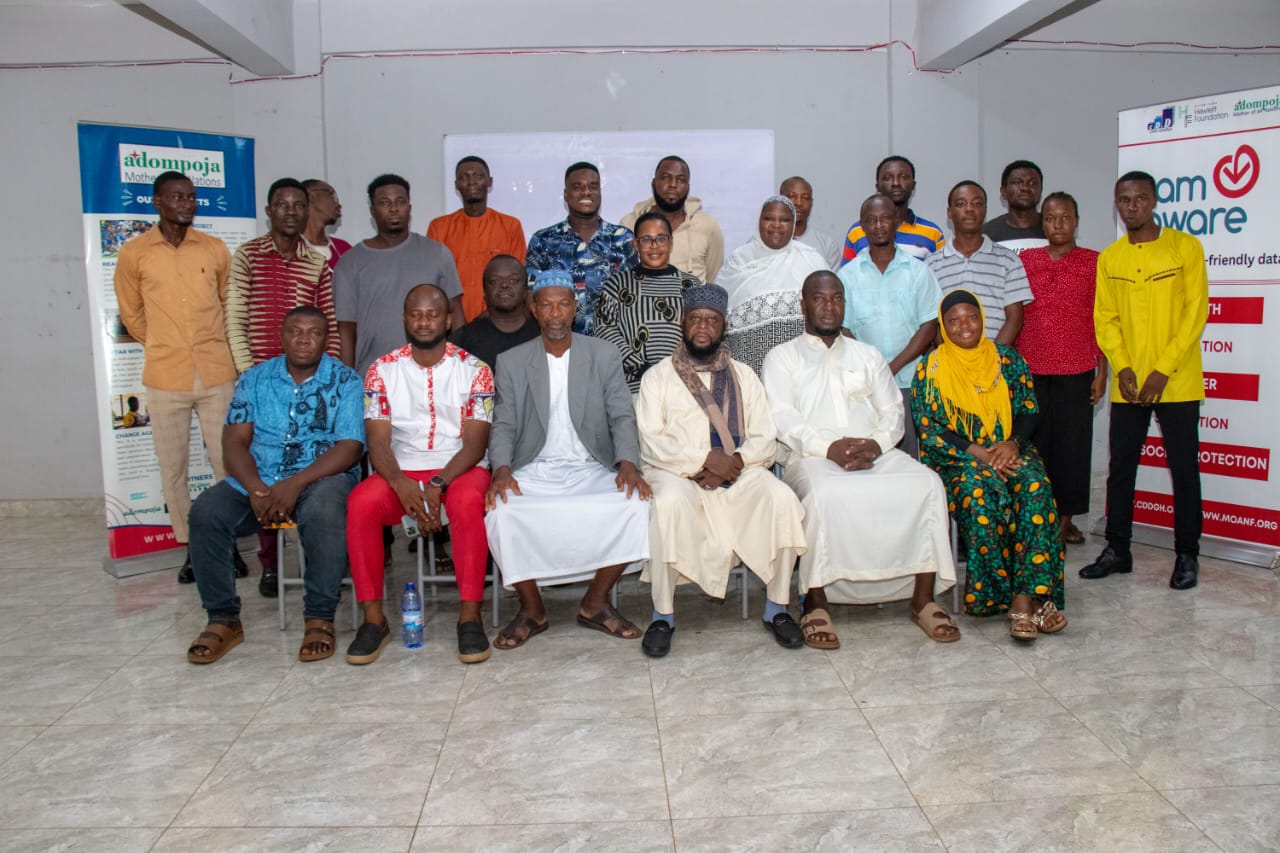
The Mother of All Nations Foundation (MOANF) has organised a stakeholder dissemination programme to educate residents and community leaders on the Simplified Medium-Term Development Plan (MTDP) 2026–2029 and the 2026 Annual Action Plan of the La Nkwantanang-Madina Municipal Assembly (LaNMMA).
The engagement brought together Assembly Members, Unit Committee Members, Civil Society Organisations (CSOs), traditional authorities, Christian clergy, Muslim leaders, opinion leaders and residents from the Social Welfare South, Madina West and Tatana South Electoral Areas.
The initiative forms part of MOANF’s efforts to promote citizen participation in local governance and strengthen public understanding of development planning processes within the municipality.
Addressing participants, the Head of Planning at LaNMMA, Mr Frederick Asiamah, explained that the Medium-Term Development Plan serves as the Assembly’s primary blueprint for development over a four-year period. He noted that the plan guides the implementation of projects and programmes aimed at improving the living conditions of residents.
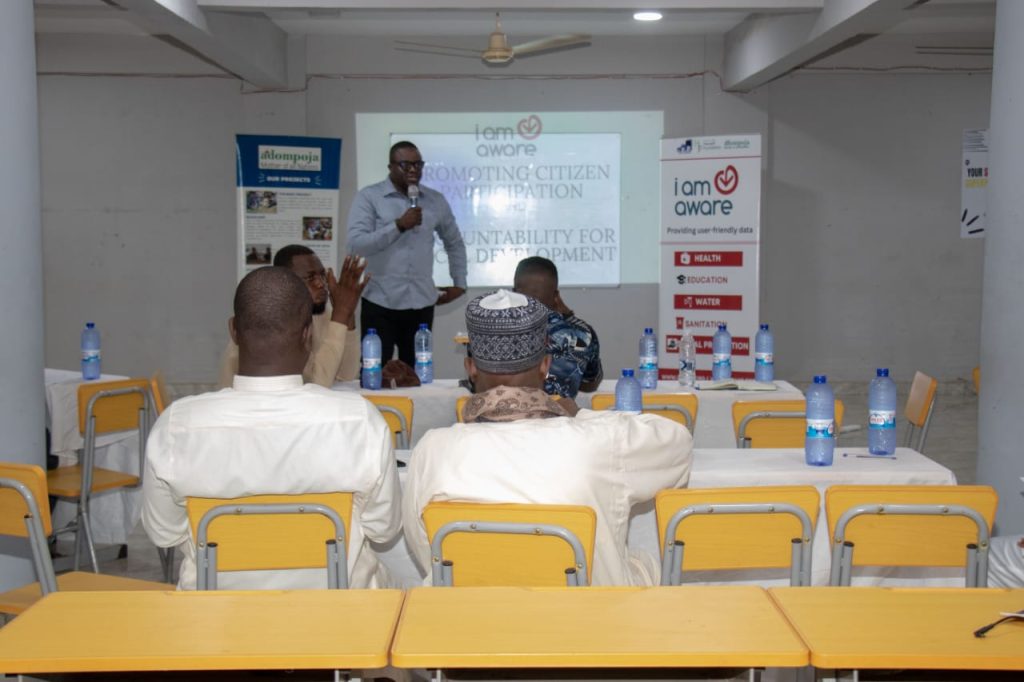
According to him, the development planning process is highly participatory, involving extensive stakeholder consultations, community needs assessments and the identification of priority development areas. He stressed the importance of aligning local development needs with national development objectives while ensuring that community concerns remain at the centre of decision-making.
Mr Asiamah also outlined some of the challenges confronting development planning, including limited financial resources, stakeholder mobilisation, community engagement and effective communication of development priorities.
Speaking on the role of citizens in local development, the Executive Director of MOANF, Mr Ishaq Abubakar Zico Newton, underscored the need for residents to actively engage in governance processes and demand accountability from duty bearers.
He encouraged community members to participate in town hall meetings, Mid-Year Review sessions and other public engagement platforms to contribute meaningfully to decision-making and development planning.
Mr Newton urged residents to identify and communicate their priority needs, document challenges within their communities, monitor ongoing projects and hold authorities accountable for promises made to the public.
Participants were also taken through the link between the Medium-Term Development Plan and the Annual Action Plan, gaining a better understanding of how development projects are selected, prioritised and implemented based on community needs and available resources.
Among the key development priorities highlighted were education, healthcare, water supply, sanitation, security, local economic development and road infrastructure.
Stakeholders were further encouraged to collaborate with local authorities in monitoring development projects, reporting concerns and supporting efforts aimed at improving service delivery and development outcomes across their communities.
The programme ended with a call for stronger partnerships between citizens, community leaders and the Municipal Assembly to promote transparency, accountability and inclusive development throughout the Social Welfare South, Madina West and Tatana South Electoral Areas.
The dissemination exercise is part of MOANF’s broader commitment to strengthening citizen engagement and enhancing local governance within the La Nkwantanang-Madina Municipality.